
Not Broken
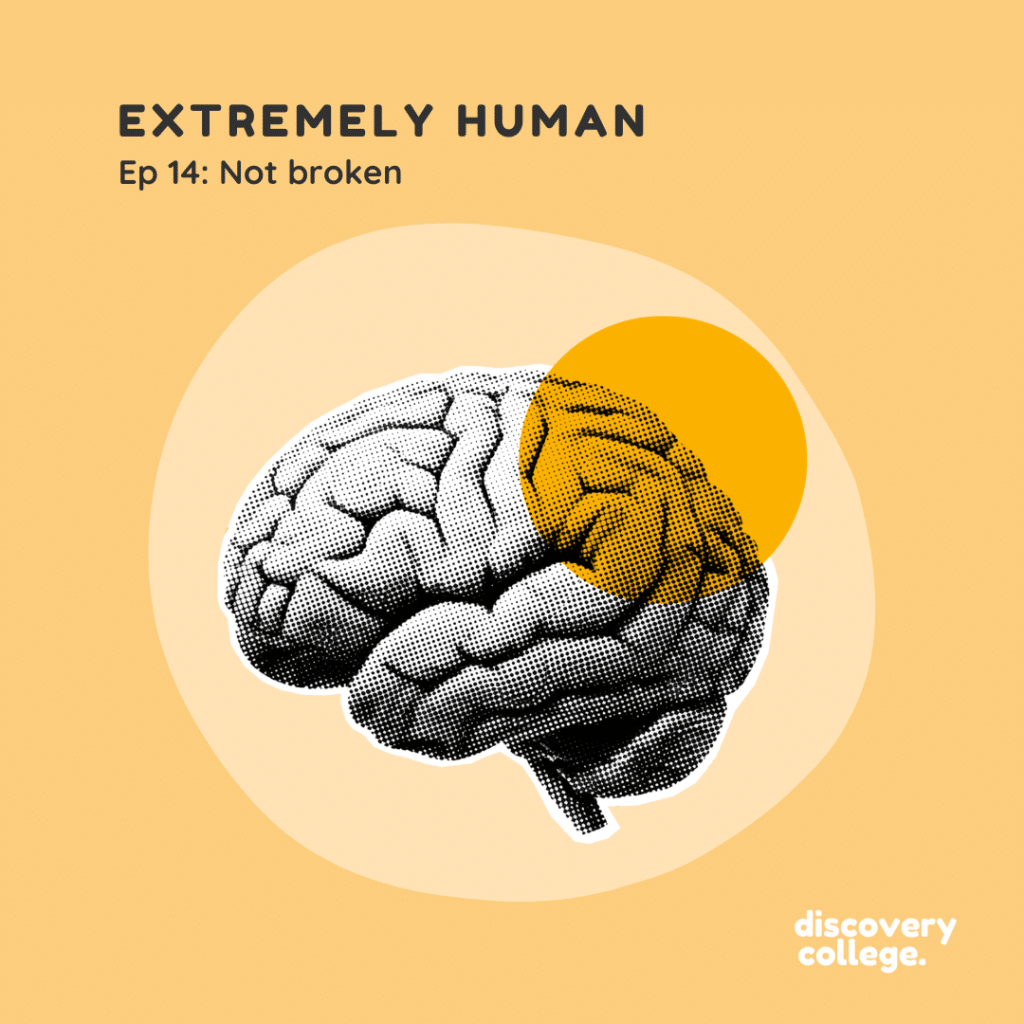
In this episode, we speak with critical psychiatrist, Jon Jureidini about what it really means to be “not broken.” We explore why psychiatry often looks for simple solutions to complicated problems, how diagnosis can both help and harm, and what it looks like to support someone through tough times instead of shutting those feelings down. This episode is a reminder that not every hard experience is a medical problem—and it doesn’t mean we’re broken.
Tūrangawaewae: A Place to Stand

In this episode, Hayley shares her story of resilience, living through abuse, depression, and misdiagnosis. She reflects on what it means to re-write your story, and how nursing has become her tūrangawaewae — a place where she feels grounded and connected to something bigger than herself.
Conversations with emotions
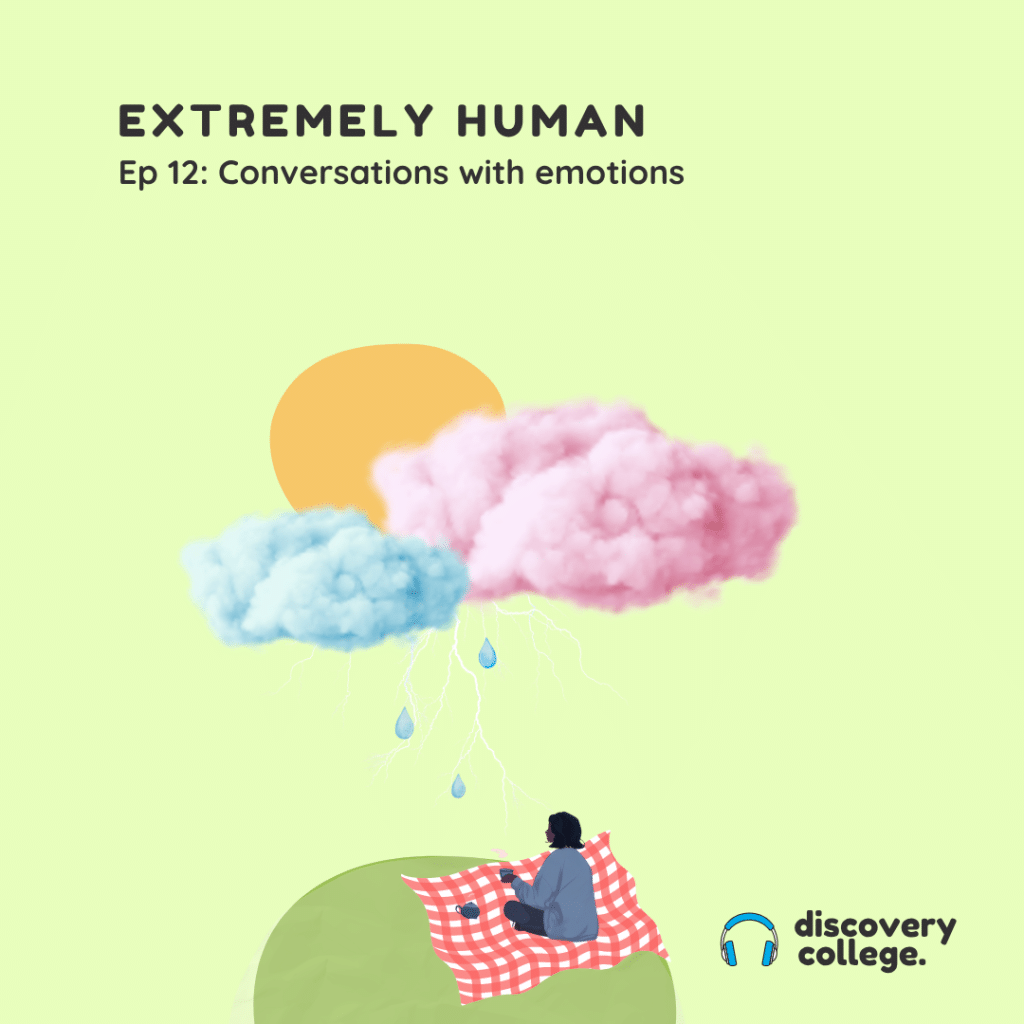
This conversation with Siswella explores what it was like to lose her memories after intensive ECT and begin again. They reflect on how they found meaning through peer work, the impact of genuine support, and the importance of trusting your intuition.
A garden to grow in
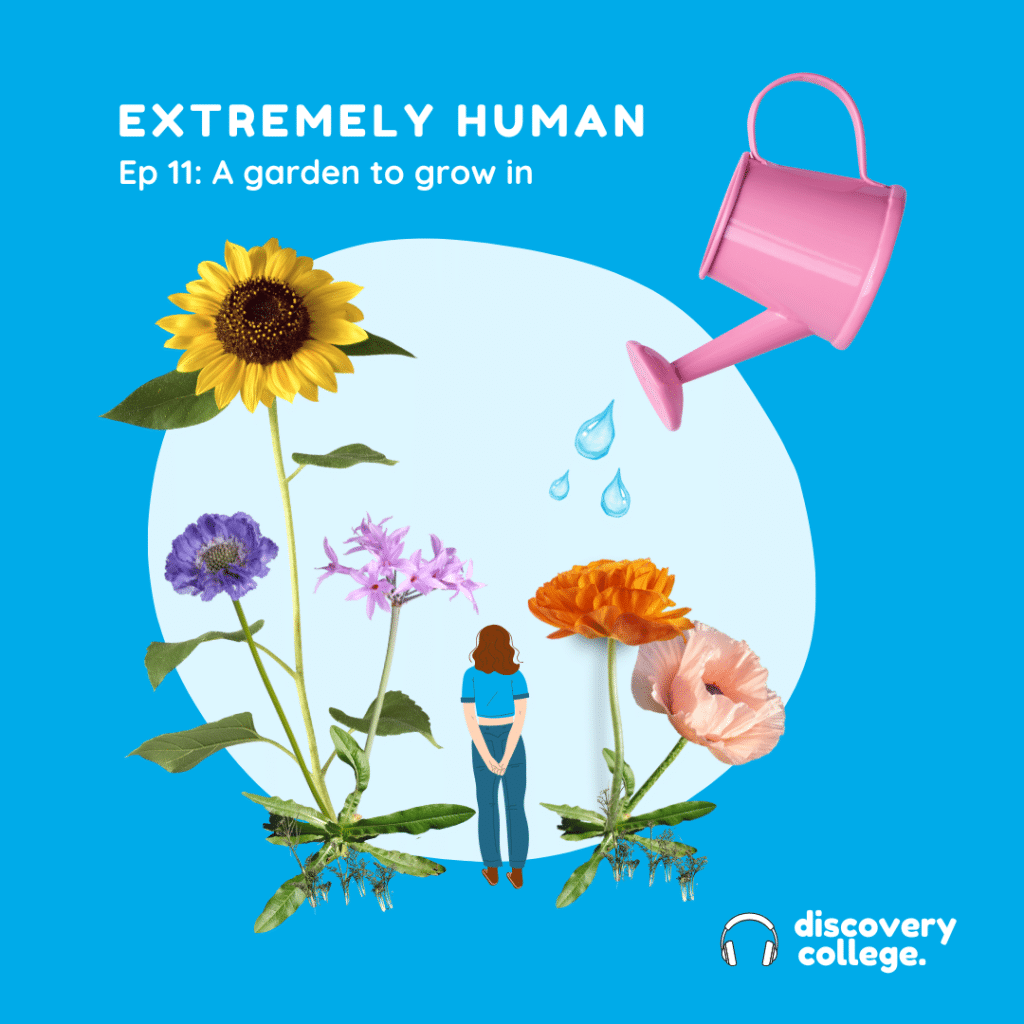
Katya shares what it’s like to live with an eating disorder, like having two brains: one that loves pasta and ice cream, and one that only wants control. She reflects on how it all began, the role social media played, and why recovery feels like trying to grow a seed in winter—until you find your garden.
Supporting our kids
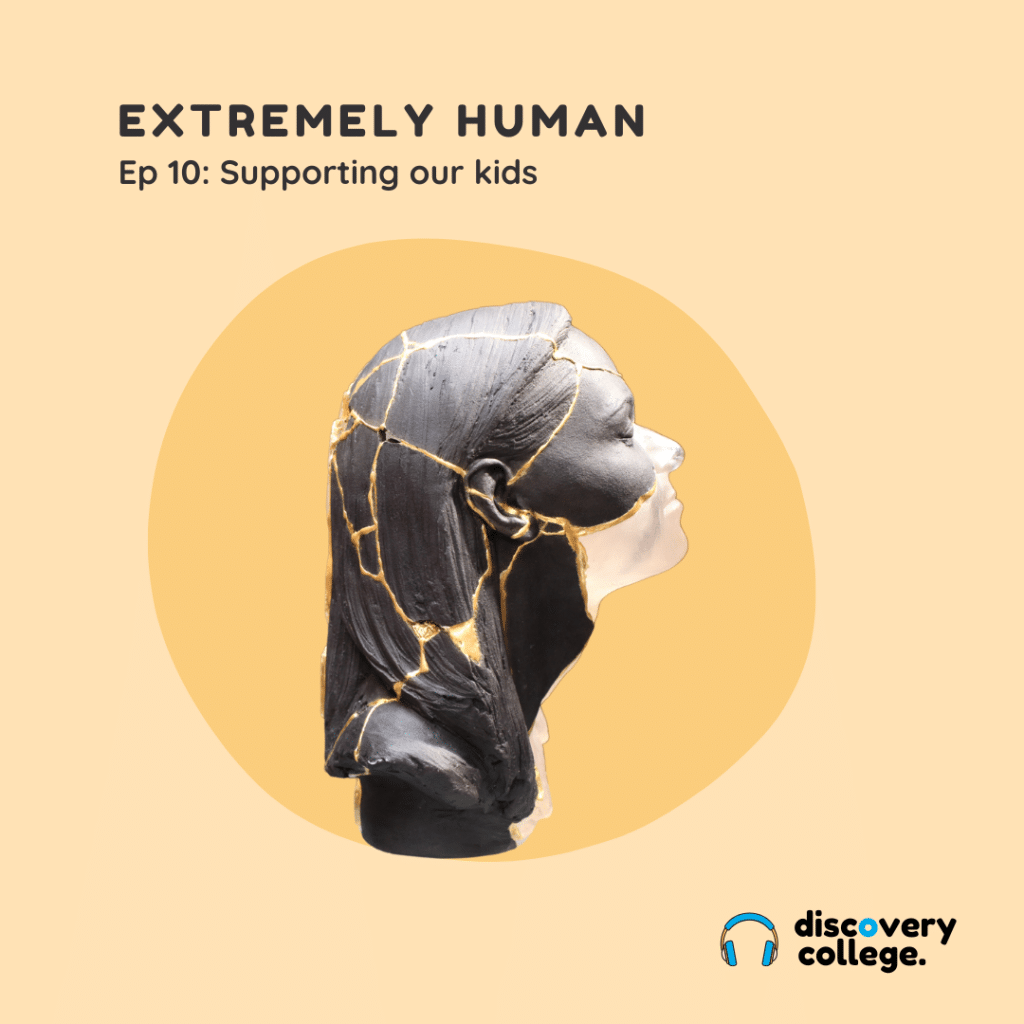
Michelle shares her journey supporting two young people through extreme distress, from hospital stays to first responder callouts. She talks about the challenges with emergency services and the healthcare system, the power of being there for someone, instead of trying to fix them, and why she created Kaboose, a community app for neurodivergent people.
Fight of my life
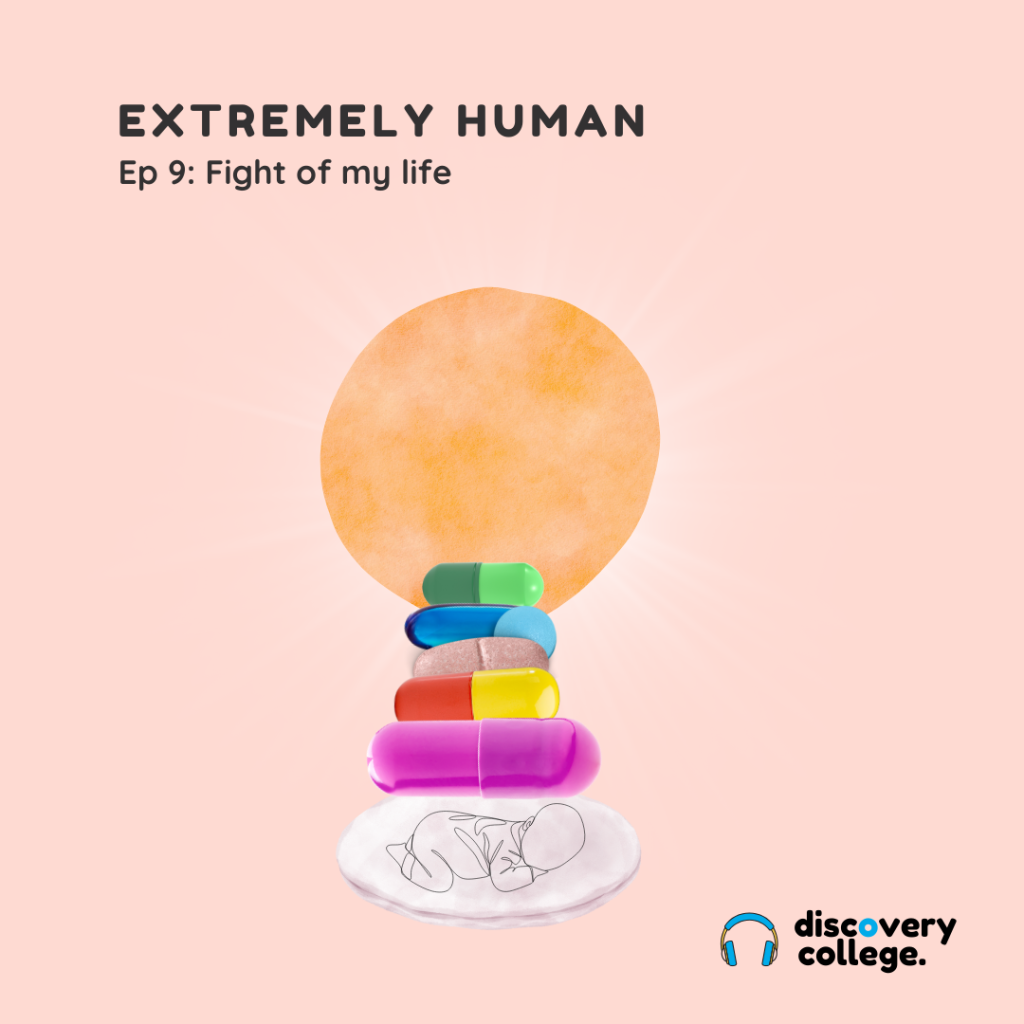
After her first daughter’s birth, Bek experienced intense postnatal panic. Misdiagnosed and overmedicated, she spent three years in and out of psychiatric hospitals. In this episode, she shares how she fought to get her life back and regain her agency.
Lost and found

Our guest shares their experience of psychosis and depression, overcoming adversity, finding purpose through reading 200 books in 2 years, and discovering a life worth fighting for.
The message of suicide
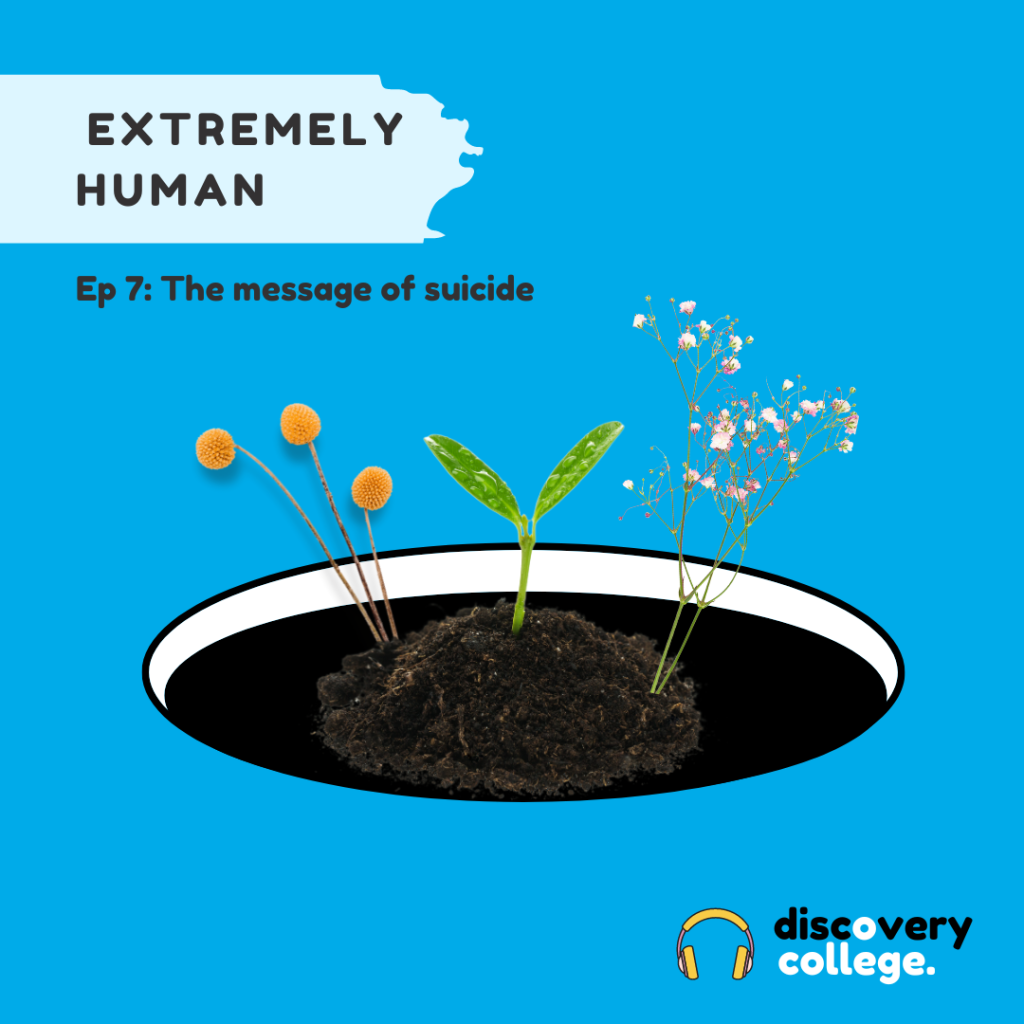
This is a conversation with Jesse about suicide. Jesse shares his own experiences of suicidality and offers different ways we can have more compassionate conversations about it. We explore some of the misunderstandings around suicide, the importance of language and allowing people time and space to process and heal.
A difficult gift

Mary O’Hagan shares snippets from her memoir “Madness Made Me” and speaks about how value and meaning can be derived from experiences of madness. We ponder what it could look like if communities looked after each other and created space for people in distress.
A search for meaning
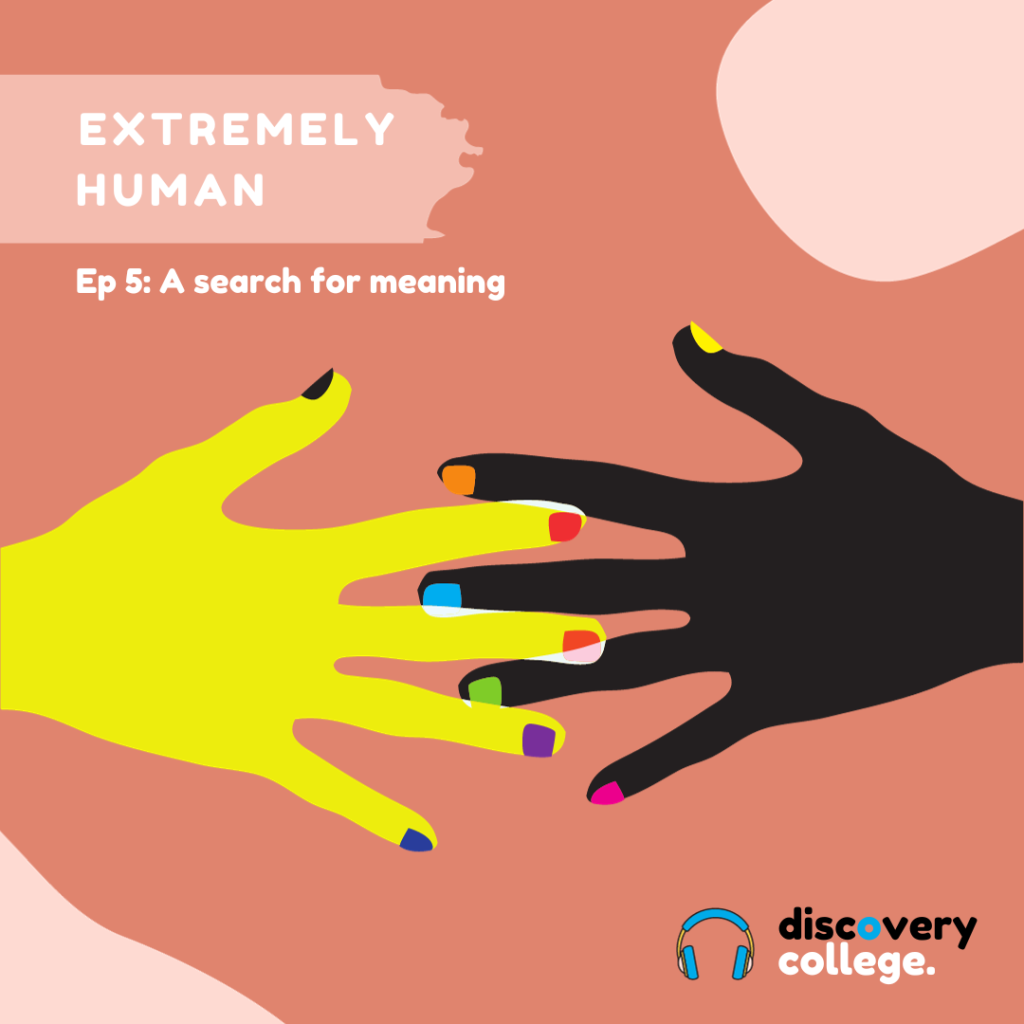
Elsa talks us through her new role as the spiritual care lead and some of her hopes for the role.
Elsa breaks down and simplifies what the word ‘spirituality’ means, what it can look like in a modern world and why it can be important in the context of mental health and healing.