
What makes discovery college different? Learning through shared experience

If you’ve ever wondered why discovery college feels different from traditional mental health programs or classroom-style learning, this piece explores the heart of our approach: co-created learning, real conversations, and lived experience at the centre.
Conversations with emotions
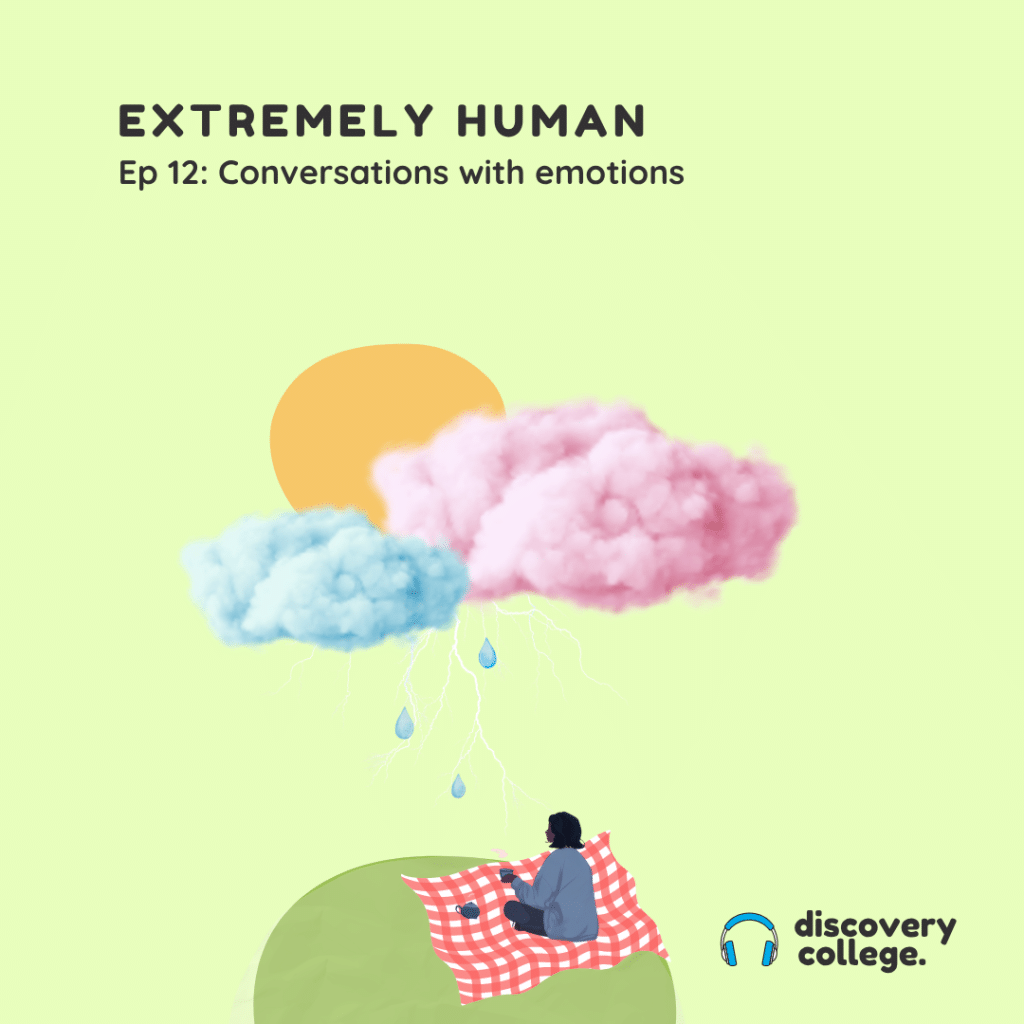
This conversation with Siswella explores what it was like to lose her memories after intensive ECT and begin again. They reflect on how they found meaning through peer work, the impact of genuine support, and the importance of trusting your intuition.
A garden to grow in
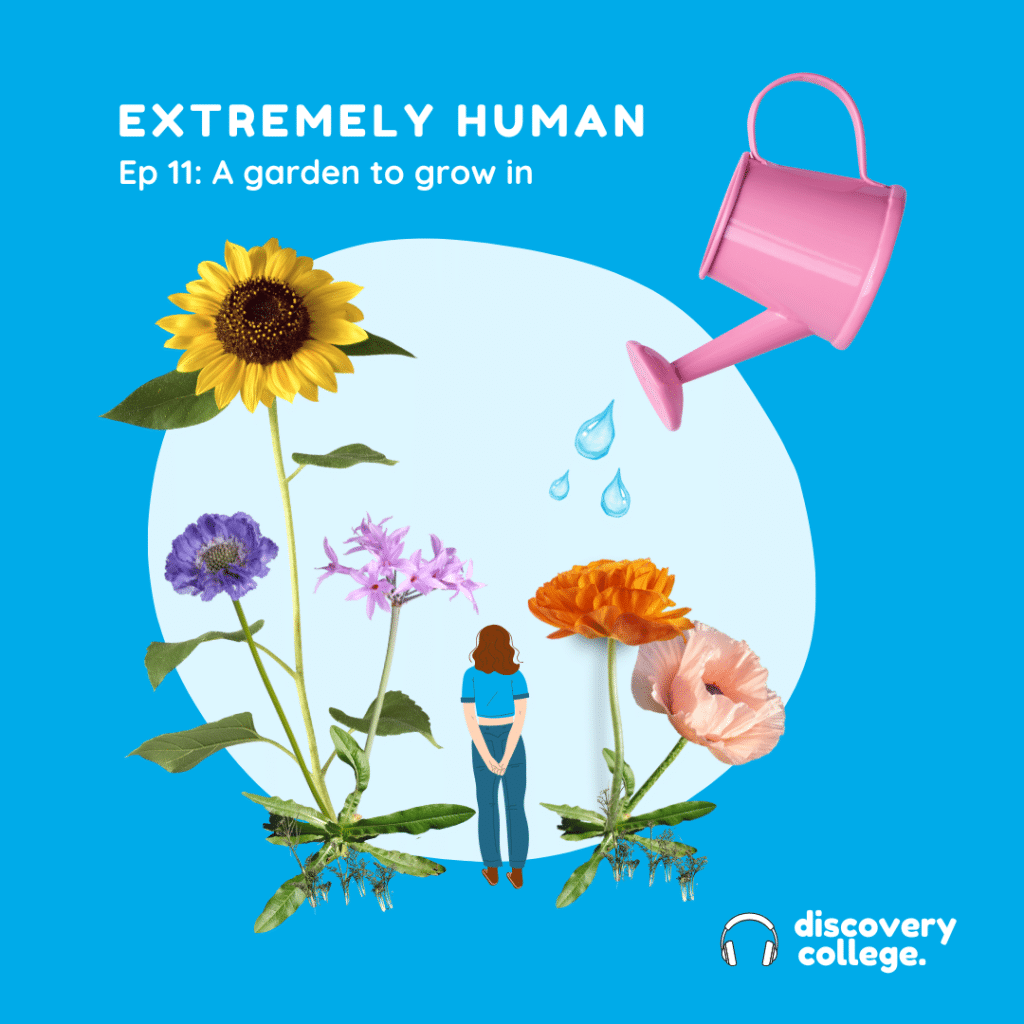
Katya shares what it’s like to live with an eating disorder, like having two brains: one that loves pasta and ice cream, and one that only wants control. She reflects on how it all began, the role social media played, and why recovery feels like trying to grow a seed in winter—until you find your garden.
Fight of my life
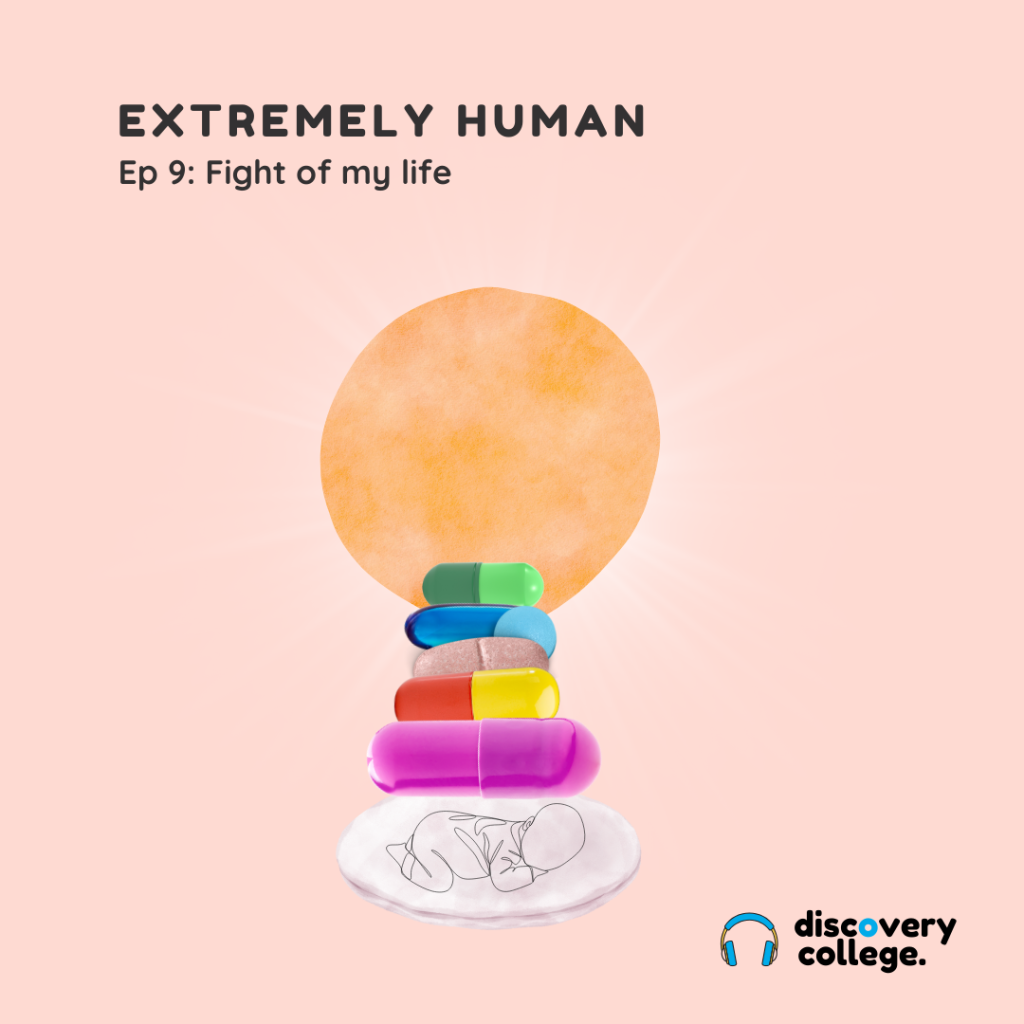
After her first daughter’s birth, Bek experienced intense postnatal panic. Misdiagnosed and overmedicated, she spent three years in and out of psychiatric hospitals. In this episode, she shares how she fought to get her life back and regain her agency.
Lost and found

Our guest shares their experience of psychosis and depression, overcoming adversity, finding purpose through reading 200 books in 2 years, and discovering a life worth fighting for.
The message of suicide
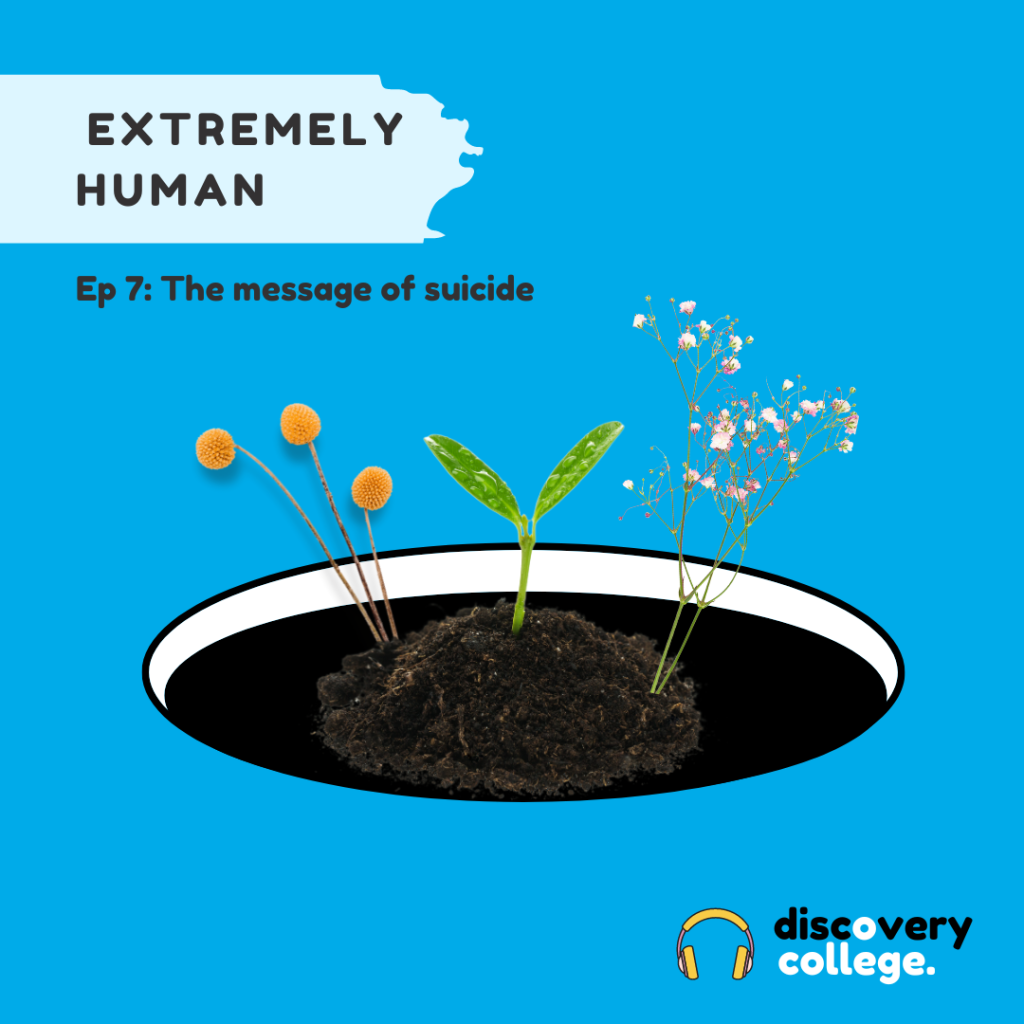
This is a conversation with Jesse about suicide. Jesse shares his own experiences of suicidality and offers different ways we can have more compassionate conversations about it. We explore some of the misunderstandings around suicide, the importance of language and allowing people time and space to process and heal.
A search for meaning
Elsa talks us through her new role as the spiritual care lead and some of her hopes for the role.
Elsa breaks down and simplifies what the word ‘spirituality’ means, what it can look like in a modern world and why it can be important in the context of mental health and healing.
Is this really radical?

Paul helps to bust some myths about common misconceptions in the medical world. Paul speaks about the value of humanizing people’s experience rather than medicalising it and how including people’s loved ones in their care can make a real difference.
Do You Hear What I Hear? And other ways of thinking about psychosis [In-Person]
An exploration of different ways to understand the experiences sometimes called psychosis.
Resources on psychosis + unshared realities

Dip into this resource bag to explore more about unshared realities at your own pace.